Exhibition
Sigurd Bronger or the mecanics of Absurdity
From November 5 to December 31, 2022, LA Joaillerie by Mazlo welcomes Sigurd Bronger for his first solo exhibition in France, in collaboration with the Robert Mazlo Endowment Fund for Art and contemporary Art Jewellery, the Alice Art Foundation and the Arketip Association. The exhibition offers a glimpse into the Norwegian artist’s quirky universe through some twenty of his most recent or emblematic works.
Internationally recognized, winner in 2012 of the coveted Torsten and Wanja Söderbergs Design Award and soon to be honored by the Neue Sammlung in Munich for a retrospective that already promises to be the event of the 2024 edition of the Schmuck Woche, Sigurd Bronger remains largely unknown to the French public. The opportunities to see his work are actually quite rare : in Paris, the luckiest ones have been able to admire some of his works exhibited in 2013 by Norway, during the first edition of the Révélations fair of which the country was the guest of honor.
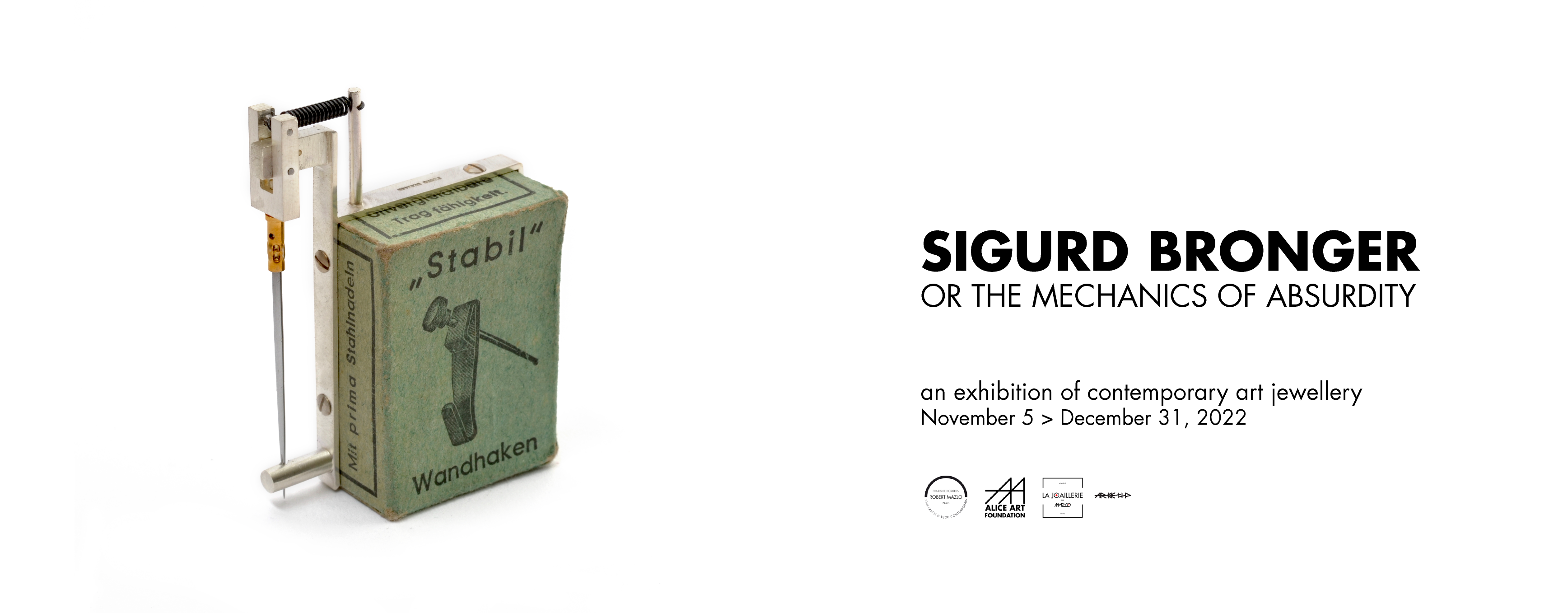
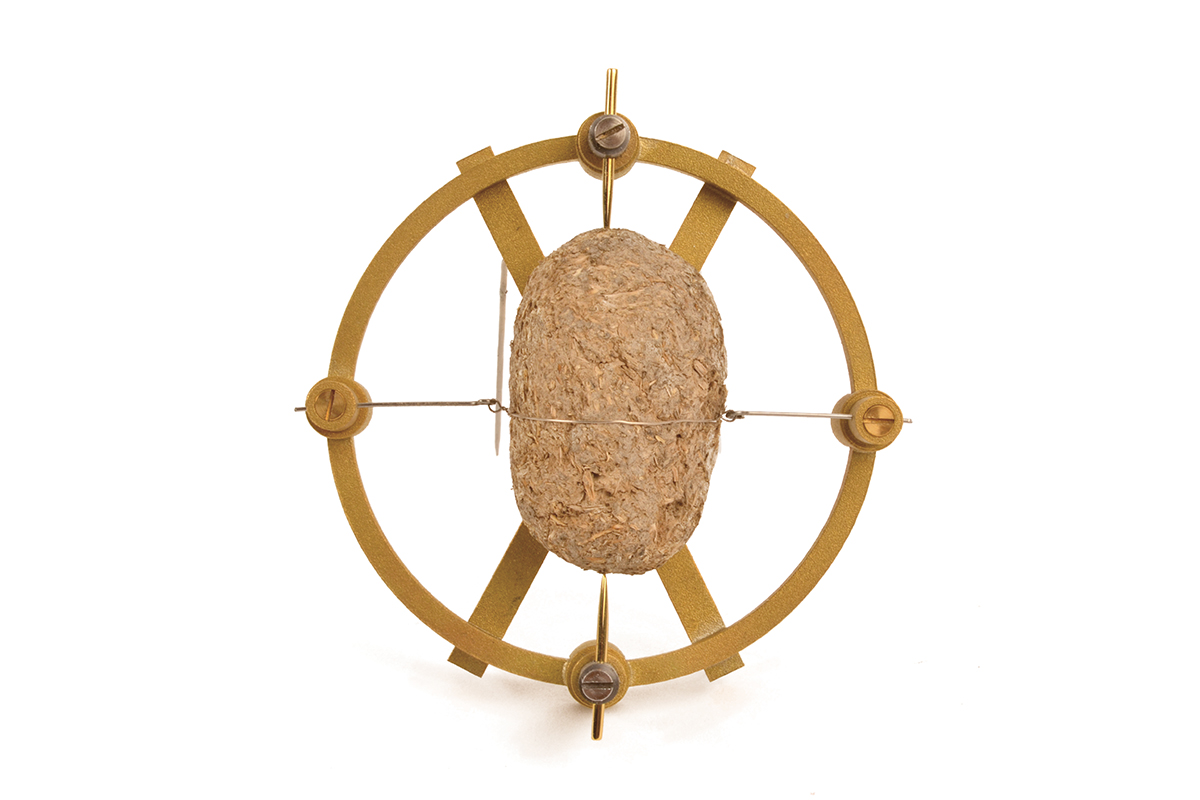
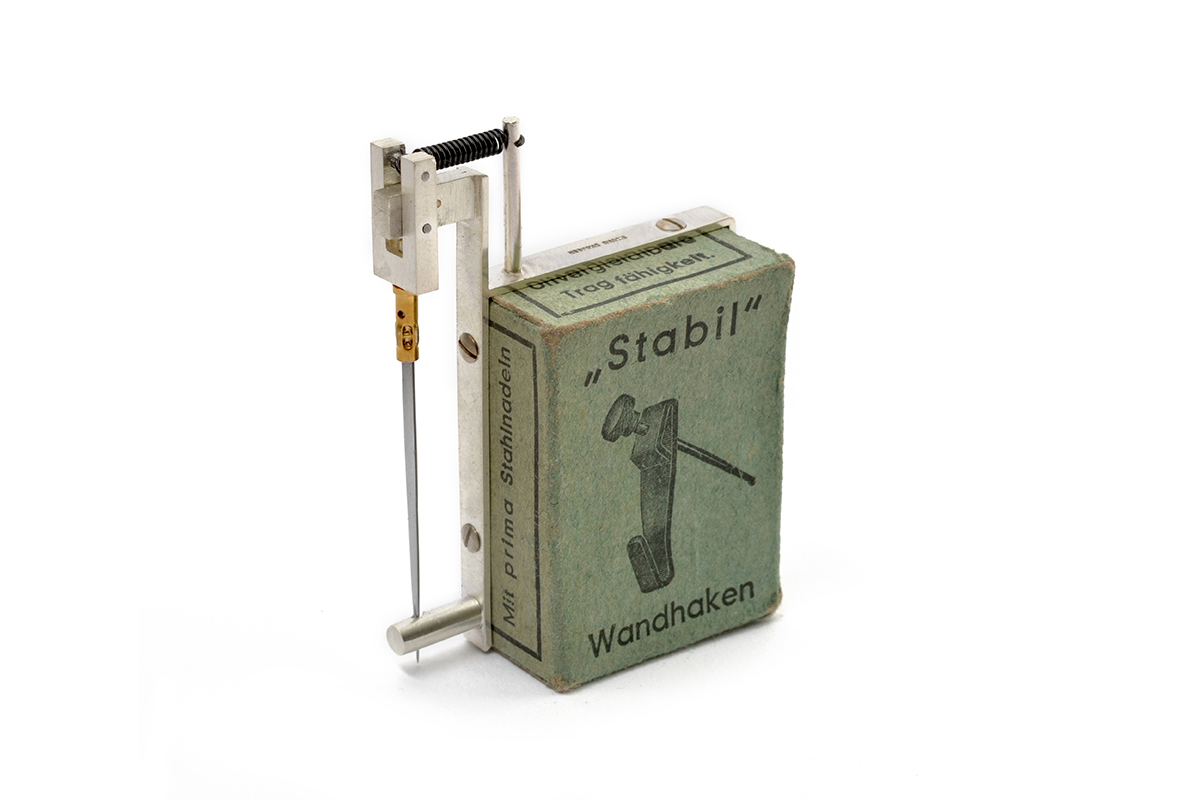
Yet, for more than thirty years, Sigurd Bronger has been standing as a maverick figurehead in the international experimental jewelry scene, for in him Homo Faber and Homo Ludens merge to create an original figure of jeweler-engineer. This designation fits this artist like a glove, since he has long abandoned the essentially ornamental function of jewellery. Since the end of the 90s, he has concentrated on the elaboration of objects based on the principle of the ready-made, which he names « wearable devices » and designs to stage all sorts of things. Some are drawn from the most prosaic everyday life – soap, eraser, used sole, sink drain -, while others – nautilus, eggs – have more to do with the Naturalia of the cabinets of curiosities. Anyway, all of them are conceived with a rigorous precision, the result of his classical training as a jeweler and clockmaker.
5 nov > 31 déc 2022
Tue > Sat 14:00 > 19:00
Opening Nov 5, 2022 | 15:00 >19:00
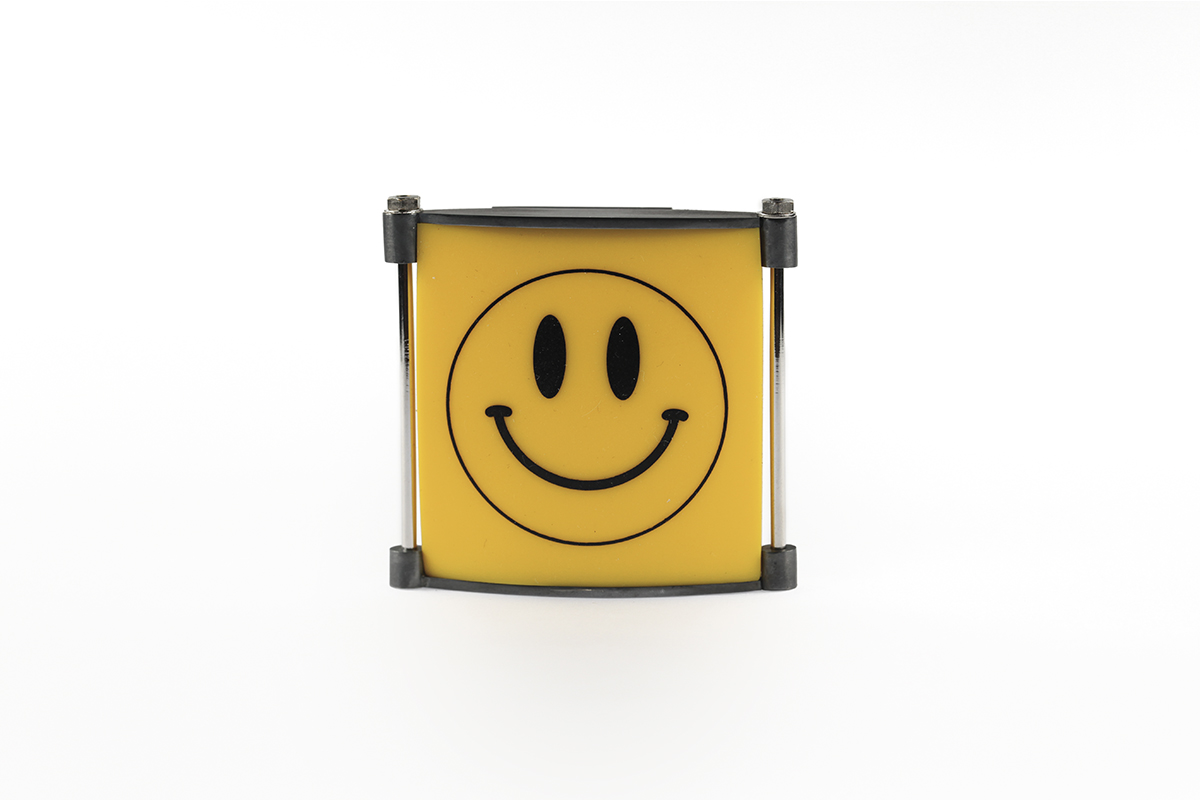
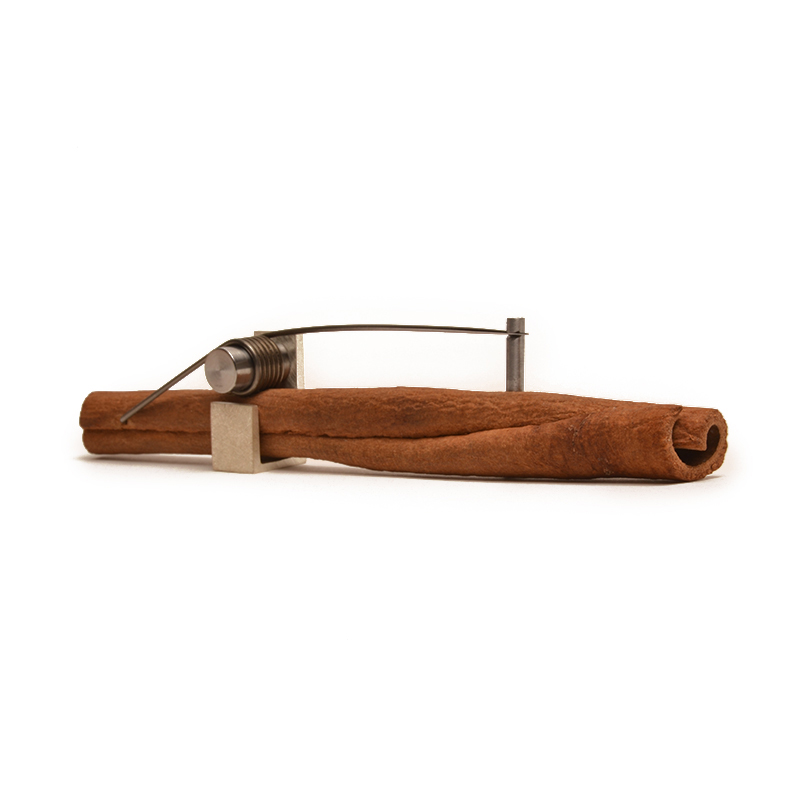
One could say that his works combine the absurd humor of the Monty Pythons with the technical sophistication of toyware, the industry that made London famous in the 18th Century. At the time, genius craftsmen-entrepreneurs like James Cox took advantage of technological advances in the manufacture of scientific instruments and precision tools by combining them with the techniques of watchmaking and jewellery to create objects that were both beautiful and entertaining, thus contributing to the rising of a new technical culture. Sigurd Bronger is fully in line with this tradition, even if his inventions arouse a smile rather than blissful admiration. As he confesses himself, it does not matter to him to create « a beautiful or ugly jewel, the idea is to create an interesting object ». An object capable of entering into communication with the viewer, of challenging him, of arousing emotion, even hilarity. His wearable devices are almost systematically based on striking contrasts, not to say « unnatural » by associating a mechanical system with a cold and minimalist aesthetic acting as a supporting and perennial structure with an ordinary or fragile, even perishable object.
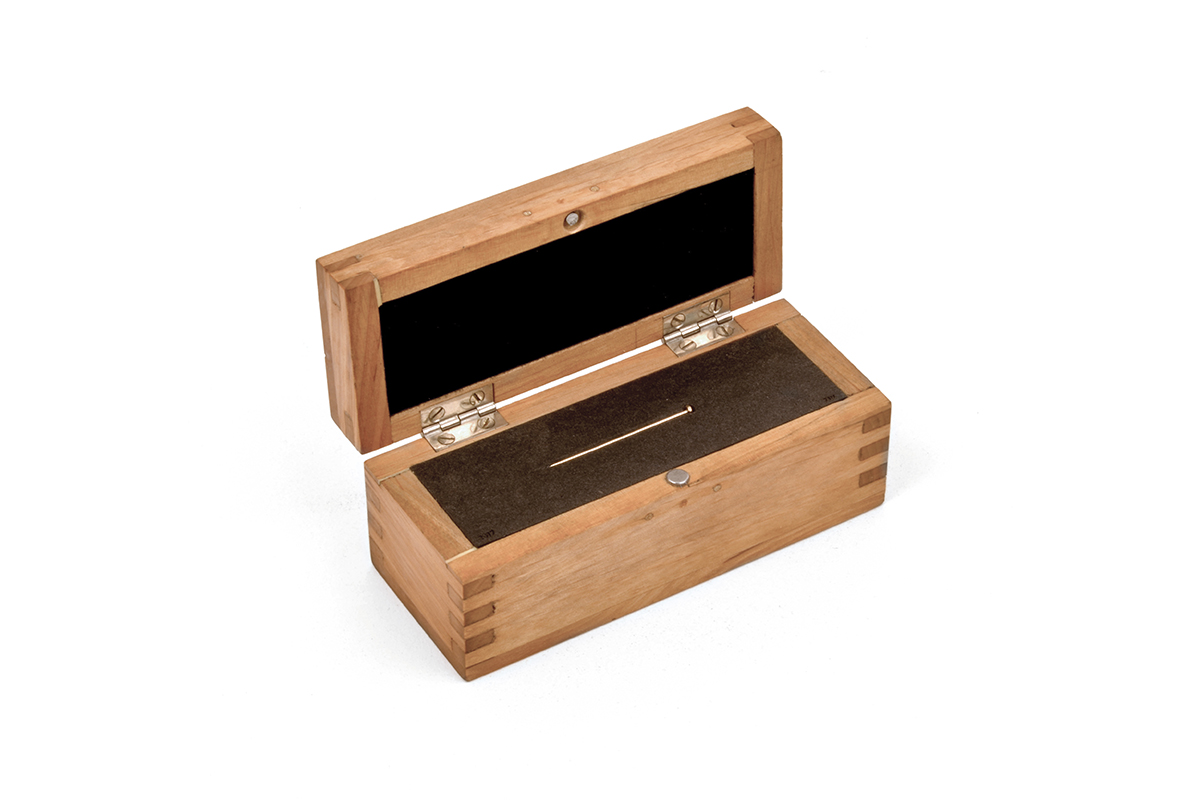
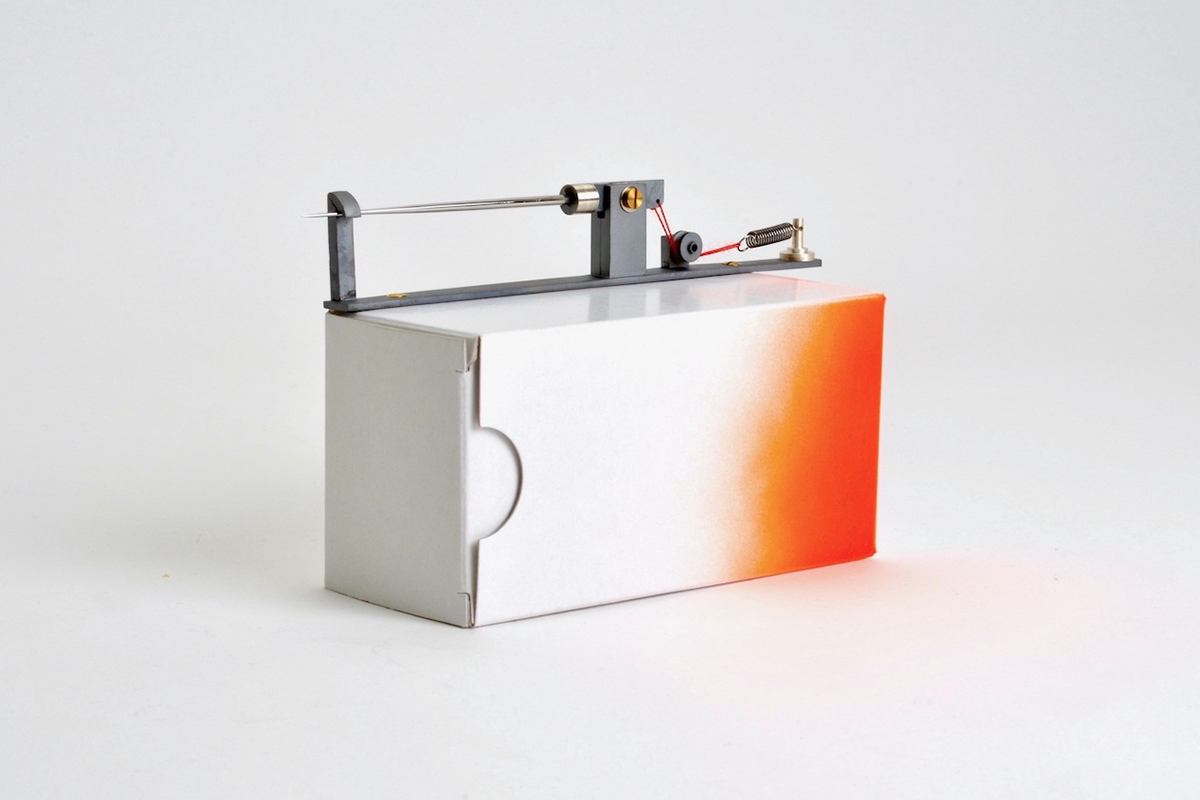
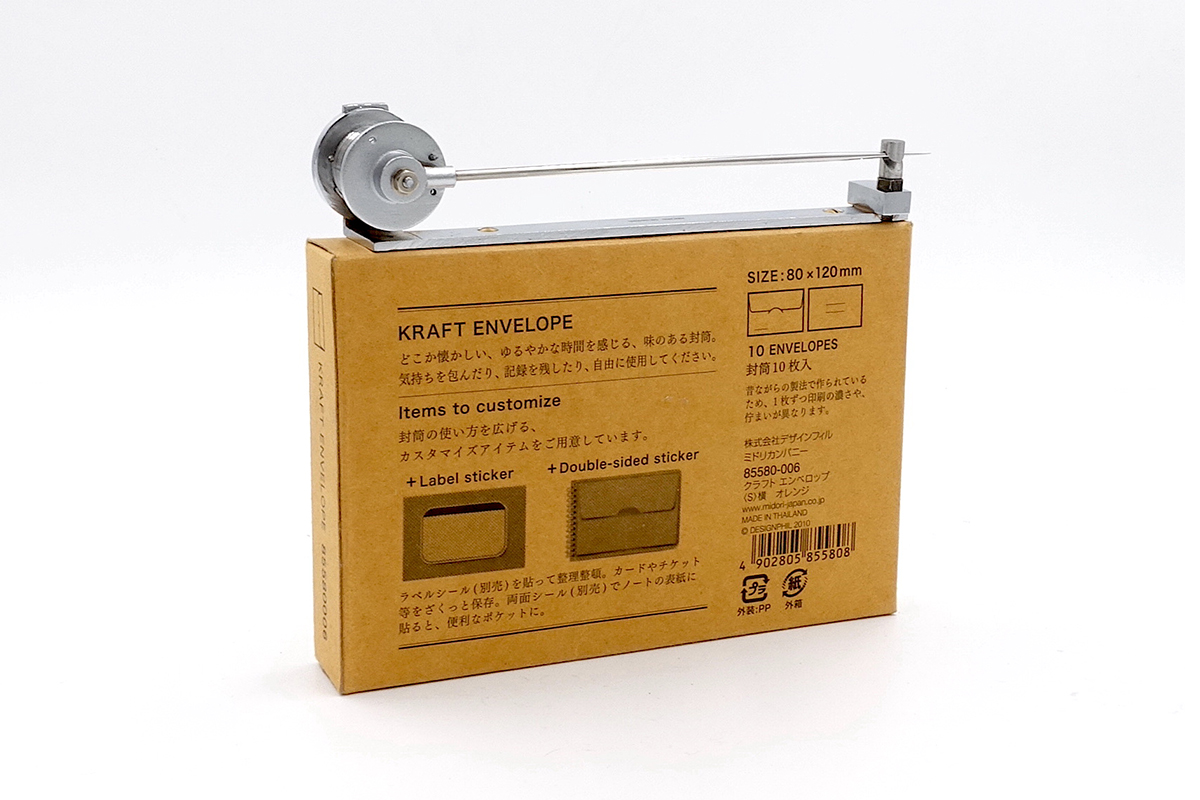
Each of Sigurd Bronger’s works is the result of a long and laborious process of creation; the artist produces no more than two or three objects a year. Each one is accompanied by a box, custom-made by its inventor in the purest tradition of the cases of measuring and optical instruments that appeared with the scientific revolution. The assembly procedure of its different parts imposes a sort of ceremony before wearing the jewel, blurring even more the boundaries between instrument and work of art.
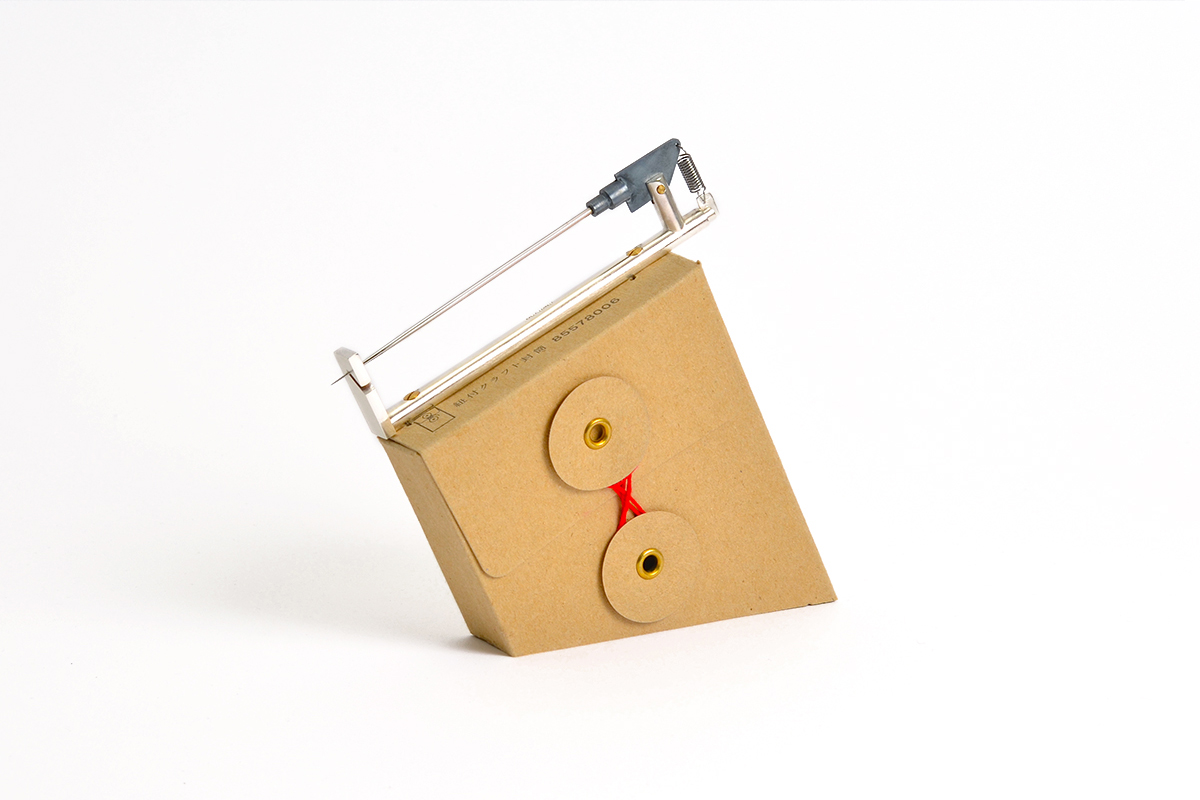
For « The Void », his latest series, several pieces of which will be unveiled during this exhibition, he returns to the element Air, a theme that is particularly dear to him and that has infused his work since the beginning. But unlike artists like Tatline or Panamarenko, Sigurd Bronger does not consider air as an element to be conquered or mastered. Rather, for him, Air is a manifestation of the genius of nature in its most modest, elusive form. For what is more ordinary and better shared than the air we breathe ? Thus, the artist endeavors to reveal the marvelous or the funny that is hidden behind the apparent banality of air : either by using it to set a mechanism in motion, as with the Turbine necklace, or to bring out a shape, with the Balloon Brooch, or a sound with the Sound Brooch. « The Void » remains in this vein. Using new or used boxes made of plain cardboard, this series questions the purpose of an object diverted from its original function : what is a box, once deprived of its content ?
Is it a useless and disposable object or a valuable object in itself, worthy of being kept ? And what about the air encapsulated in this box ? Couldn’t it, like a precious stone, formed over millions of years in the depths of the earth, constitute an ornament ? Doesn’t this apparent void represent, despite appearances, the quintessence of life ? In other words, Sigurd Bronger invites us to adopt new perspectives, to observe these small insignificant things that populate our daily lives from a different angle, while avoiding any moralization. Behind the strength of the concepts and the perfection of the execution, his art is never presumptuous nor polarizing, quite the contrary. And if we had to choose a soundtrack to accompany the visit of this exhibition, perhaps we would recommend to whistle along with Eric Idle who, in the final scene of anthology of « the Life of Brian » by the Monty Python invites the hero, from the top of his cross, to « always look on the bright side of life »!
Céline Robin
Exhibition curator
SELECTED ARTWORKS
SIGURD BRONGER
ABOUT THE ARTIST
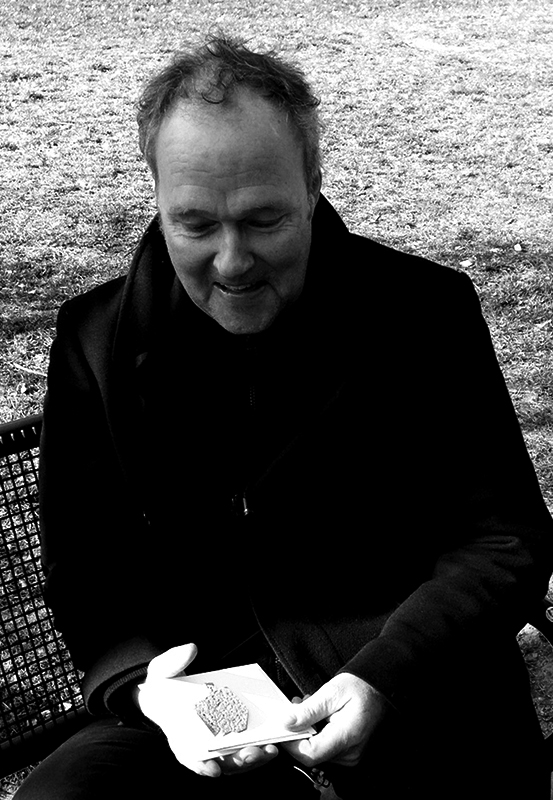
Born in Oslo, Norway, in 1957, Sigurd Bronger studied jewellery making at the Oslo vocational school between 1974 and 1975 before continuing his training in the Netherlands at MTS Vakschool in Schoonhoven. In 1979, he undertook a three-year apprenticeship as an engraver at the Koninklijke Fabrieken Posthumus in Amsterdam. Since the mid-1980s, his work has been shown in group and solo exhibitions, and is part of many prestigious private and public collections, including the Museum of Art and Design (MAD) in New York (US) and the Craft Museum of China in Hangzhou (CN), the Pinakothek der Moderne in Munich (DE), the Röhsska Design Museum in Götteborg (Sweden), the Victoria & Albert Museum in London (GB), the Danske Kunstindustrimuseum in Copenhagen (DK), the Alice & Louis Koch collection in Zurich (CH), the Hellen Drutt-English collection in Philadelphia (US), the Bollman collection in Vienna (AT). In 2012, he received the world’s most important design award, the Torsten & Wanja Söderbergs Design Award in Göteborg (SE). He lives and works in Oslo.