Exhibition
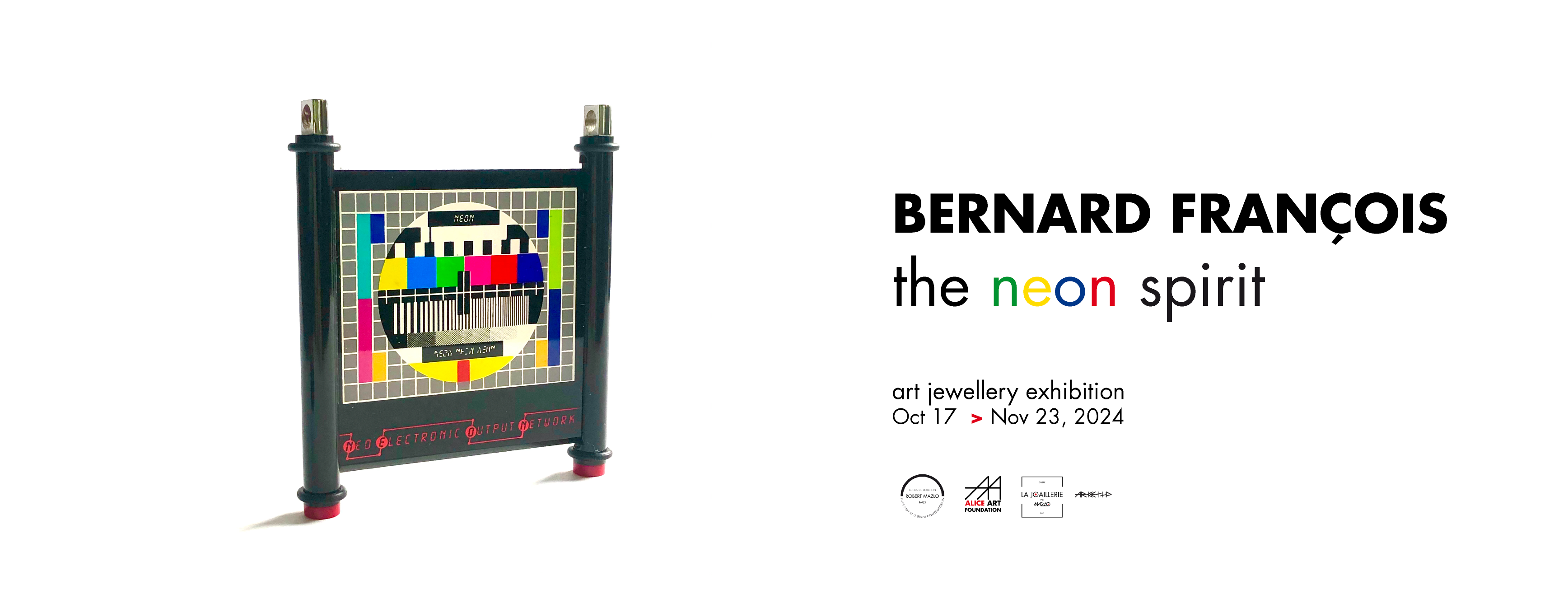
BERNARD FRANÇOIS
the neon spirit
From 17 October to 23 November 2024, the Robert Mazlo Endowment Fund for Art and Contemporary Art Jewellery is dedicating the first retrospective exhibition in France of artist Bernard François (*1944), a tribute to this major figure of Belgian contemporary author jewellery, who celebrates his 80th birthday this year.
Hosted by the LA Joaillerie par Mazlo gallery, the exhibition features some forty of his most emblematic pieces, spanning five decades of a rare and demanding body of work. It opens with an evocation of his early experiments with stainless steel during his formative years at La Cambre in the late 1960s, and closes at the turn of the 2020s with jewellery objects that synthesise fifty years of research.
Goldsmith, jewellery designer and author, graphic designer, gallery owner, exhibition curator and teacher, Bernard François is an artist in many hats ! And yet, behind this impressive array of activities, there is no trace of dilettantism. It must be said that he comes from a line of metalworkers, and the tools and machinery in his family’s workshop in Nanterre constituted the backdrop of his formative years. This may well be the source of his rigour and precision, his perfectionism and his ability to rationalise craft methods. In any case, it is the source of his taste for forms derived from the world of machines, for geometric harmony and technological aesthetics, which inform his work. Although he was born in France, where he spent his childhood and most of his teenage years, it was in Belgium that his artistic identity blossomed and his entire career unfolded. It was during his apprenticeship, between 1960 and 1968, that he laid the foundations – radical foundations – for his future work.
Exhibition
Oct 17 > Nov 23, 2024.
Opening
Oct 17 | 18:00 > 21:00
Tue|Thu|Fri 14:00 > 19:00
Wed By appointment only
Sat 11:00 > 13:00 | 14:00 > 19:00
His training began at the Ecole des Métiers d’art at Maredsous Abbey near Namur in Belgium, a goldsmith’s and woodcarver’s school founded in 1903 with the initial mission of “training workers and craftsmen skilled in all the techniques of the trade and capable of executing projects designed by artists“*. By the time Bernard François joined the school, however, it had long since increased the artistic dimension of its teaching, and many of its teachers were in fact creative artists – painters and sculptors in particular.
Later, at La Cambre in Brussels, Bernard François met up again with his former modelling teacher from Maredsous, the sculptor Félix Roulin, this time joining his Metal Studio. In both schools, the student learns from both experienced craftsmen and artists. Far from being a detail, this reality would determine his relationship with jewellery, because this unorthodox approach, free from the academic constraints of the goldsmith’s trade and above all the jeweller’s trade, was quite simply unthinkable at the same time in France. And it was partly this freedom, found in Belgium, that enabled him to develop such a unique formal language.
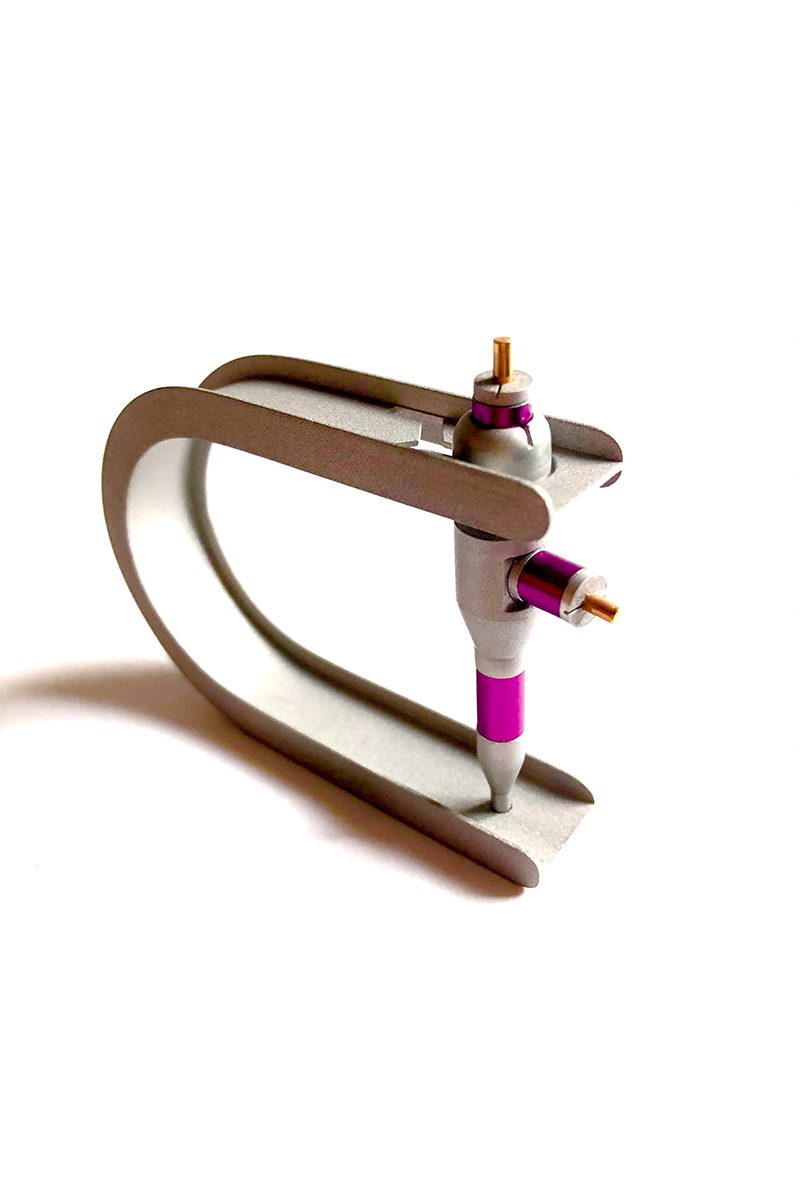
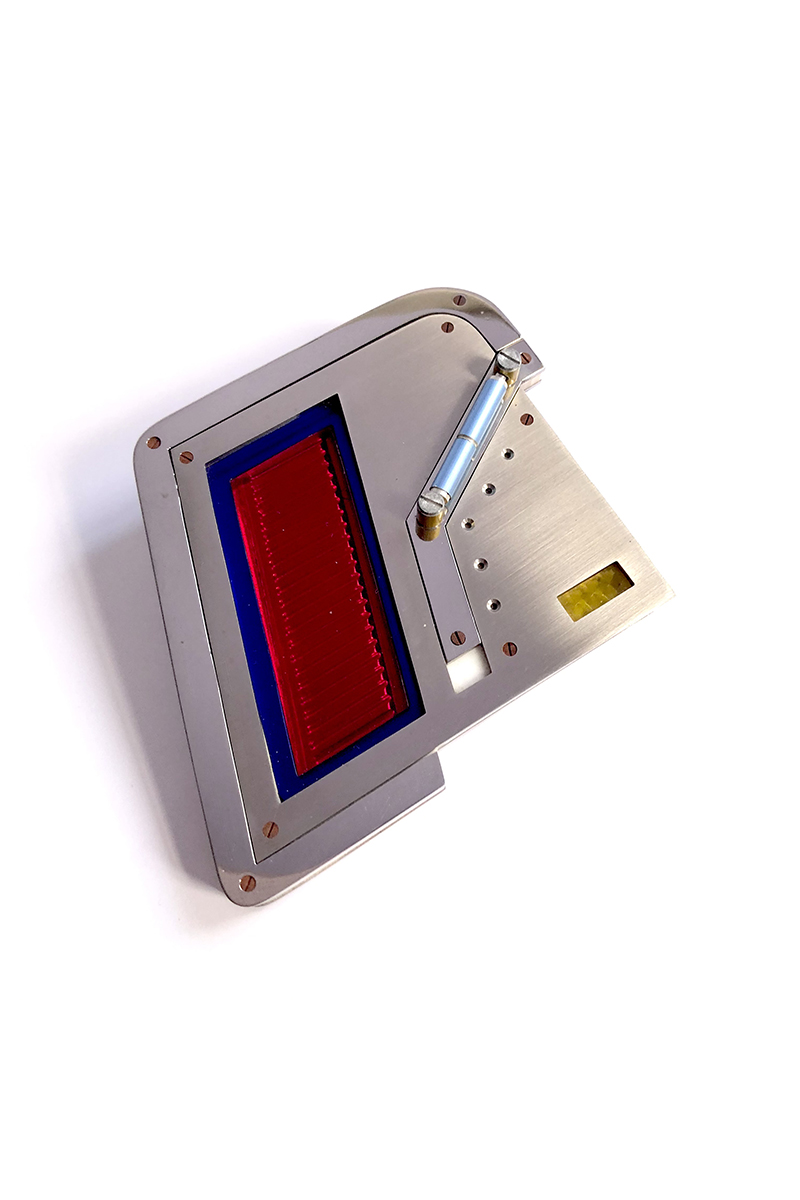
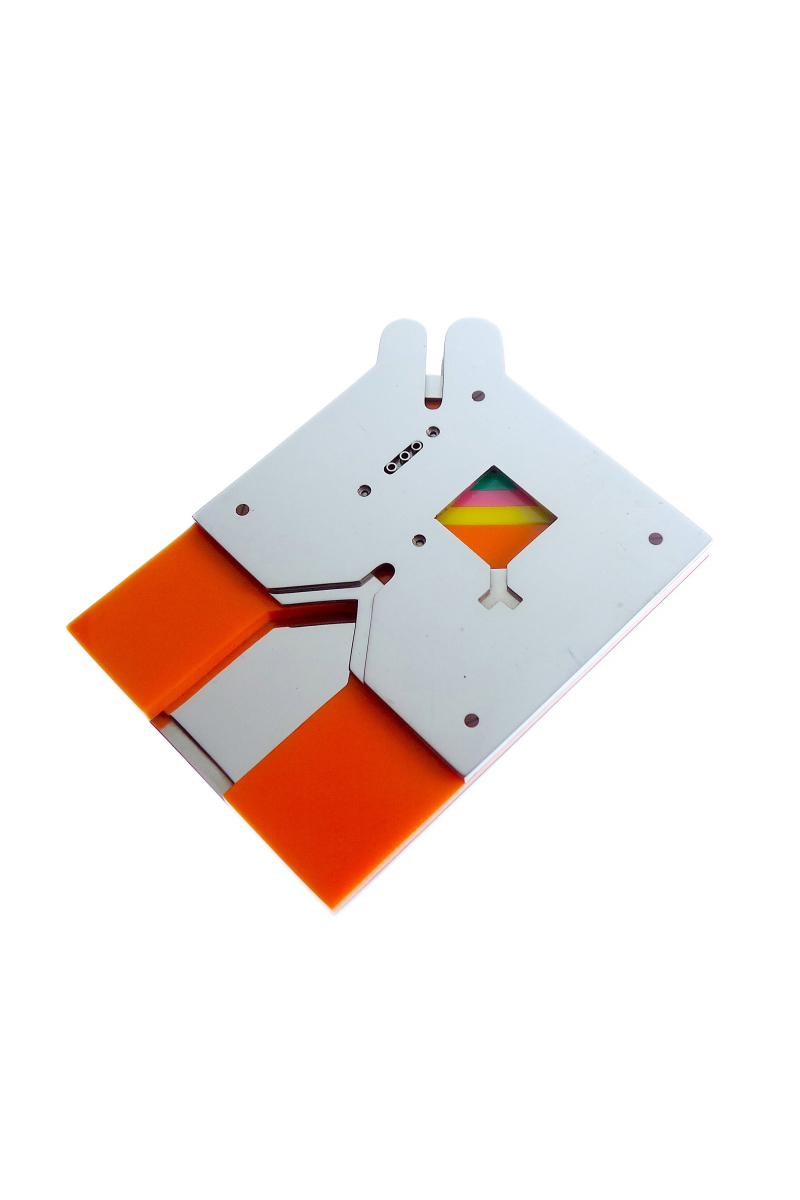
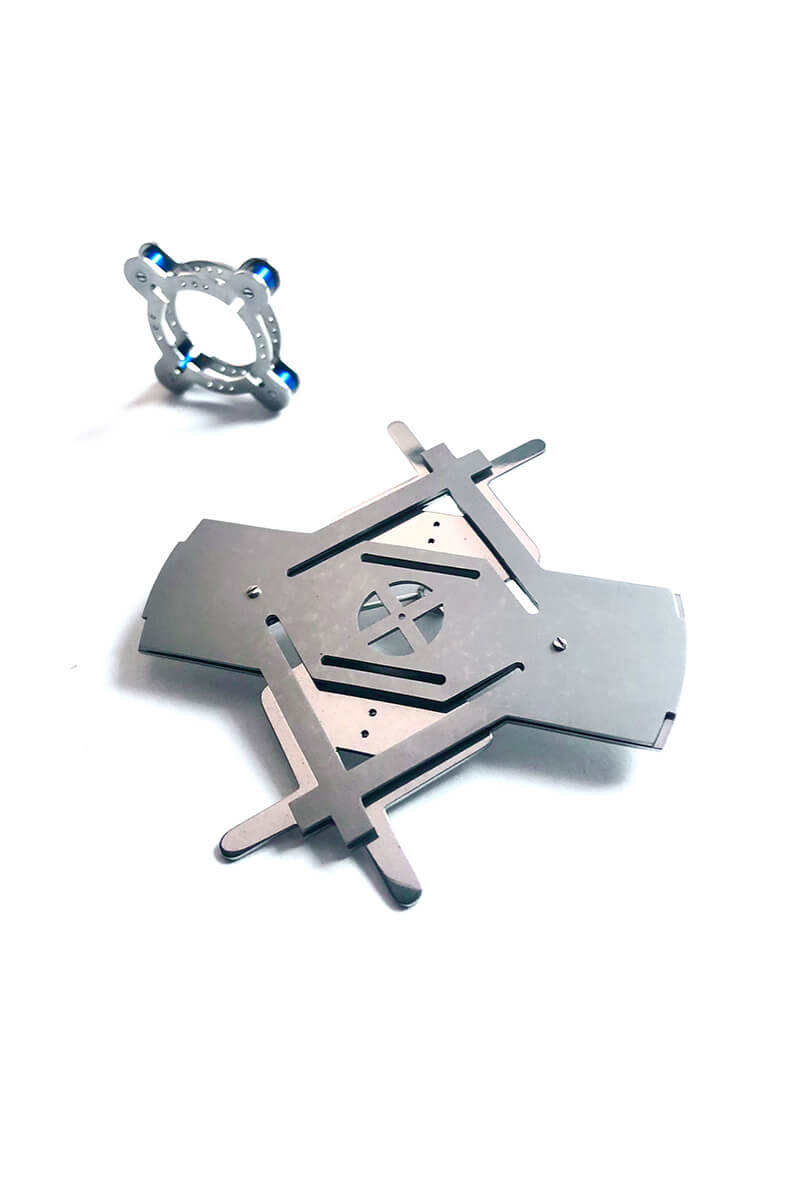
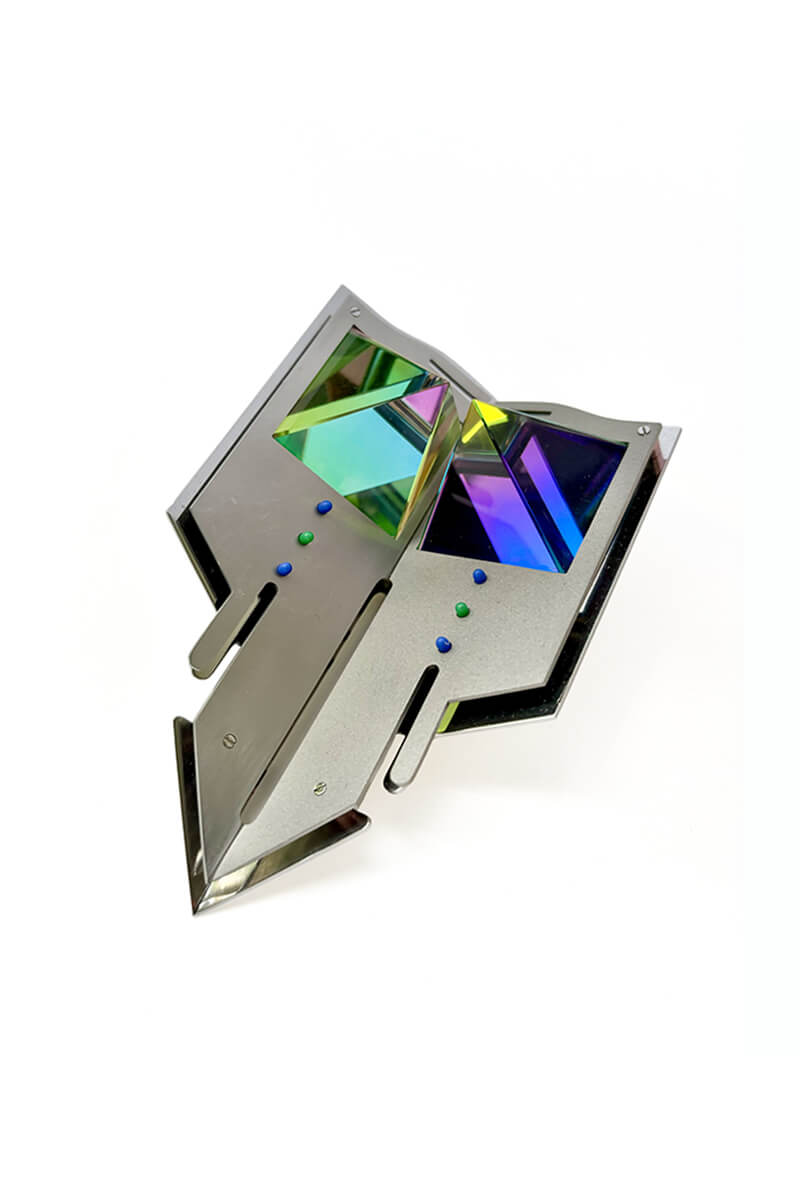
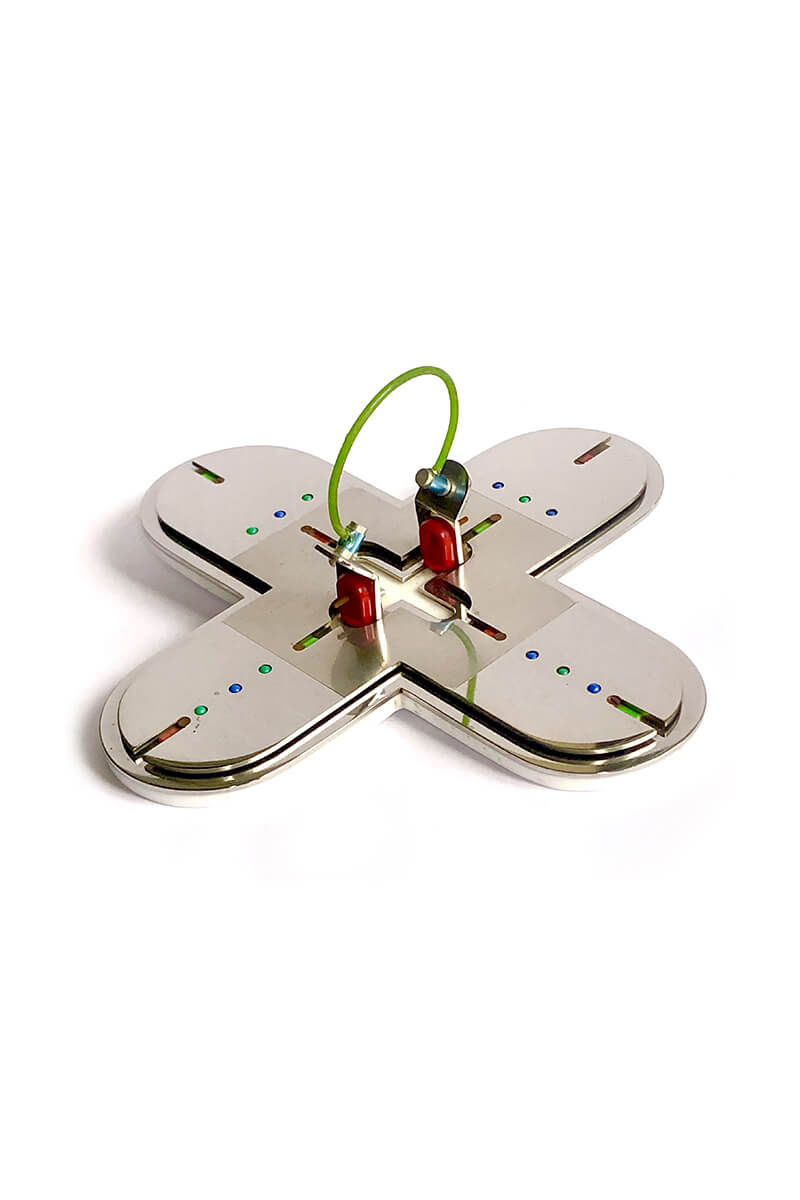
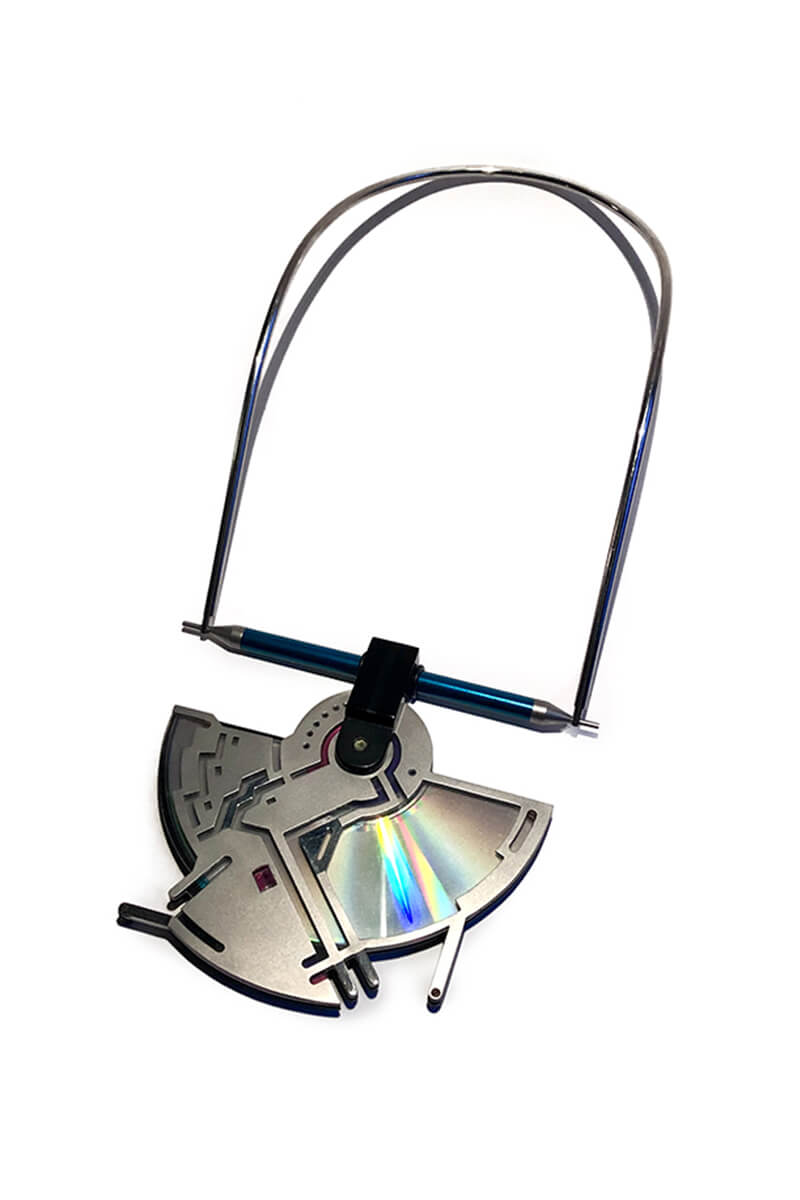
The work of Bernard François is defined by an unmistakable visual vocabulary, which challenges traditional expectations associated with jewellery. This is evident in his rejection of precious materials and his bold use of unconventional materials, including those typically reserved for industrial applications.
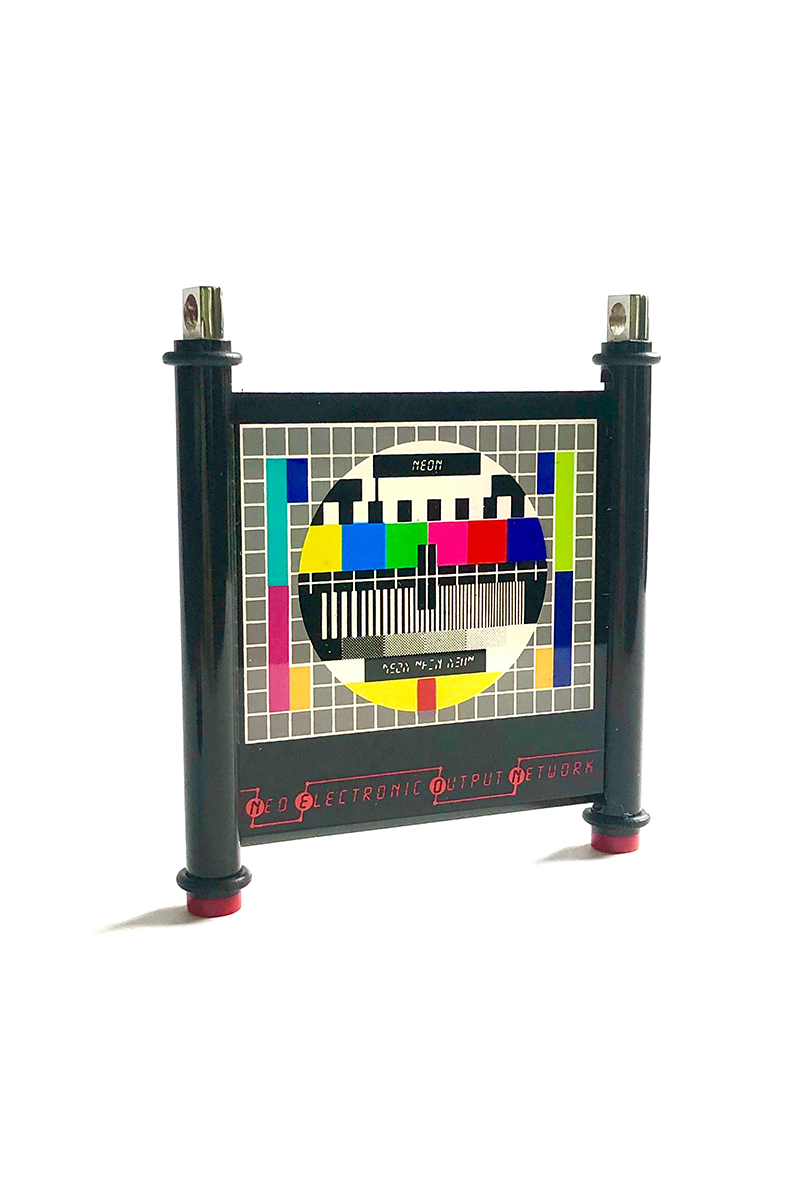
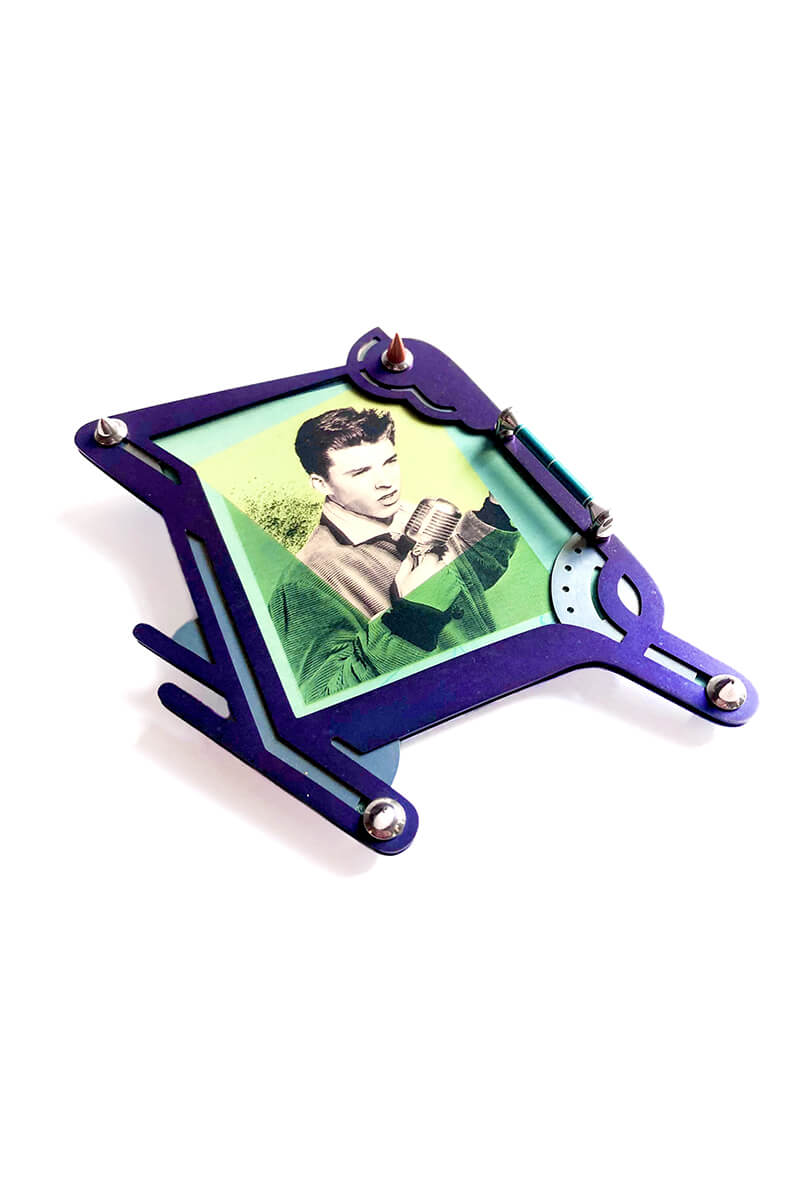
Right from the start, Bernard François decided to favour the pendant format and to focus on stainless steel, which he combined with the acid colours of Plexiglas. Gradually, anodised aluminium, titanium and ready-mades or elements in synthetic materials such as reflectors were added to his palette. From the 1980s onwards, screen-printing, a medium established by Pop Art and cherished by the counter-culture with its fanzines, posters and vinyl covers, became part of his visual repertoire. Together with his partner Véronique Bertrand, a screen-printing teacher, he acquired a press that allowed him to display his graphics freely. From then on, his drawings were printed on Plexiglas as well as textiles, and he was able to follow in the footsteps of Warhol to showcase his own idols: Elvis Presley, Ricky Nelson and Audrey Hepburn.
But beyond materials, Bernard François is also about a repertoire of forms – geometric, refined, futuristic – that characterise the period of creative effervescence between the 1960s and the end of the 1980s. The artist is fascinated by the visual and musical universe of pop culture, but also by the world of science and technology. An eternal optimist, he is curious and enthusiastic about every technological advance as a promise of progress. His jewellery draws on the material world of the time, evoking the aesthetics of electronic and arcade games, printed circuits, pixels, networks and CDs, to create works that are halfway between a games console and a precision instrument.
Bernard François’s works are like little time capsules, capturing the spirit of the times. Up until the turn of the millennium, their acid colours, synthetic materials and geometric shapes perfectly recreate the visual world of our cathode-rayed childhoods, lulled to the rhythm of pop hits broadcast by MTV. They also evoke the sophisticated structures of spaceships borrowed from science fiction movies, such as the Discovery 1 from 2001: A Space Odyssey, or the neon-coloured animated suits from Tron. From the 2000s onwards, however, his works reached a level of technical and compositional refinement previously unattained.
Meanwhile, the artist has undertaken extensive travel, particularly in the United States, and produced a substantial body of photographic work. The result is a series of objects that represent a synthesis of all his past experiments.
The artist’s works are now evocative of ships and navigational instruments, of journeys by land or sea (contrary to all expectations, the artist dislikes flying), and are adorned with cards with retro accents, such as the pendant Oran, which displays the visual influence of the Memphis group.
However, beyond his contributions to the artistic realm, Bernard François is to be commended for his role as an enabler. In 1975, he established the neon Gallery in Brussels, an innovative concept space that integrated the functions of a studio, a private residence, and an exhibition venue. The gallery served as a pivotal platform for the promotion of contemporary Belgian jewellery, while also extending its reach to encompass the international scene as a whole. Furthermore, the gallery has constantly encouraged interdisciplinary dialogue, facilitating encounters between jewellery designers and artists from diverse creative fields, including stylists, graphic designers, painters, and photographers. Consequently, Bernard François has been instrumental in organising numerous site-specific exhibitions, in addition to his prolific curatorial work outside the gallery premises. By advocating for a discipline and its practitioners from a multitude of origins, he has facilitated the dissemination of a nuanced and intricate art form, inspiring our imaginations with the visions born of the neon spirit.
Valcke J. et Dupont P.-P. , Bijoux belges contemporains, Éditions Mardaga, 1992.
SELECTED ARTWORKS
BERNARD FRANÇOIS
BIOGRAPHY
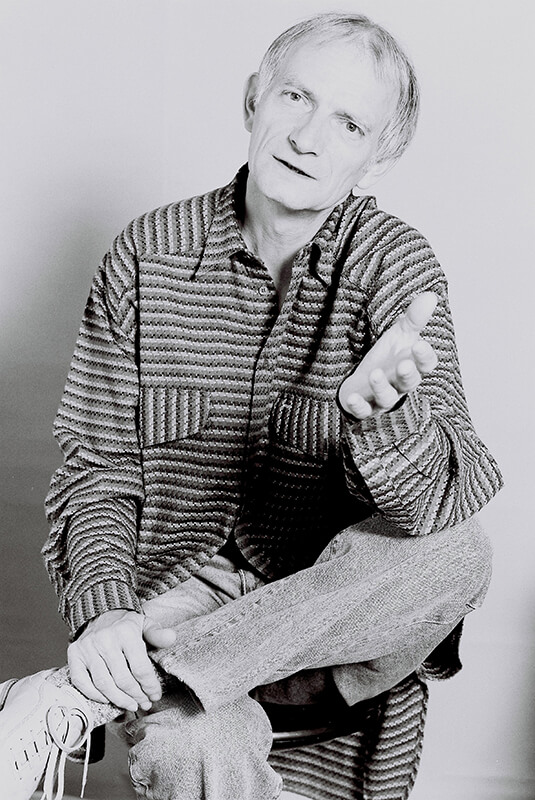
Bernard François was born in Nanterre in March 1944, into a family of metalworkers specialising in the manufacture of agricultural equipment. In 1960, the schoolboy left France to study goldsmithing at the Ecole des Métiers d’art at Maredsous Abbey near Namur in Belgium. After graduating in 1964, he continued his artistic training, first at the Institut d’Enseignement des Arts, Techniques, Sciences et Artisans (IATA) in Namur, then spending two years at La Cambre, the École Nationale Supérieure d’Architecture et des Arts Visuels in Brussels. There he was reunited with one of his teachers from Maredsous, the sculptor Félix Roulin, whose Metal studio he joined. At the end of these eight years of training and experimental research, he briefly joined the workshop of the Brussels jeweller Fernand Demaret, but after two years, this foray into the field of precious and traditional jewellery came to an end. In 1970, with Michel Louwette and Claude Wesel, two fellow artists he had worked with at Demaret, he decided to set up an independent studio in the Forest district of Brussels. But the real step towards autonomy came in 1975, when he created the neon gallery, a ‘total’ space combining studio, home and exhibition space. From then on, the artist took on a new role as gallery owner and exhibition curator. The neon gallery quickly became a key venue for the most avant-garde and experimental expressions of contemporary international jewellery. Bernard François multiplies cross-disciplinary projects by inviting jewellery designers from all over the world and by calling on other modes of artistic expression, such as painting, fashion design, photography and screen printing. Bernard François now lives and works in Brussels.